


Wind Damage from Winds Over 60 MPH: What Florida Homeowners Need to Know
- Jason Hale
- Dec 7
- 6 min read

When winds hit 60 mph and beyond, your roof faces serious challenges that can lead to costly damage and safety concerns. In Florida, where hurricane season brings powerful wind storms year after year, understanding how these forces affect your home's most critical protection system isn't just helpful: it's essential for your family's safety and your financial security.
Many homeowners don't realize that significant roof damage can occur well before hurricane-force winds arrive. In fact, sustained winds of 60-73 mph can cause substantial damage to roofing materials, especially if your roof already has minor issues or uses older materials. Let's dive into what really happens when these powerful winds hit your home and what you can do to protect yourself.
How Wind Over 60 MPH Actually Damages Your Roof
When wind speeds reach 60 mph and beyond, several destructive forces work together to compromise your roof's integrity. Understanding these mechanisms helps you recognize potential problems before they become major disasters.
Shingle Uplift and Loss
Wind creates an uplift force that works like an airplane wing: air moving faster over the top of your roof creates lower pressure above and higher pressure below. This pressure difference literally tries to lift your shingles off the roof. At 60 mph, this uplift force can reach 20-30 pounds per square foot. Older shingles or those with compromised adhesive strips are particularly vulnerable, often beginning to lift at the edges and eventually tearing completely away.
Underlayment Exposure
Once shingles start lifting or blowing off, your roof's underlayment becomes exposed to wind and rain. This protective barrier wasn't designed to withstand direct wind assault for extended periods. High winds can tear through underlayment, creating direct pathways for water to enter your home's structure.
Flashing Failure
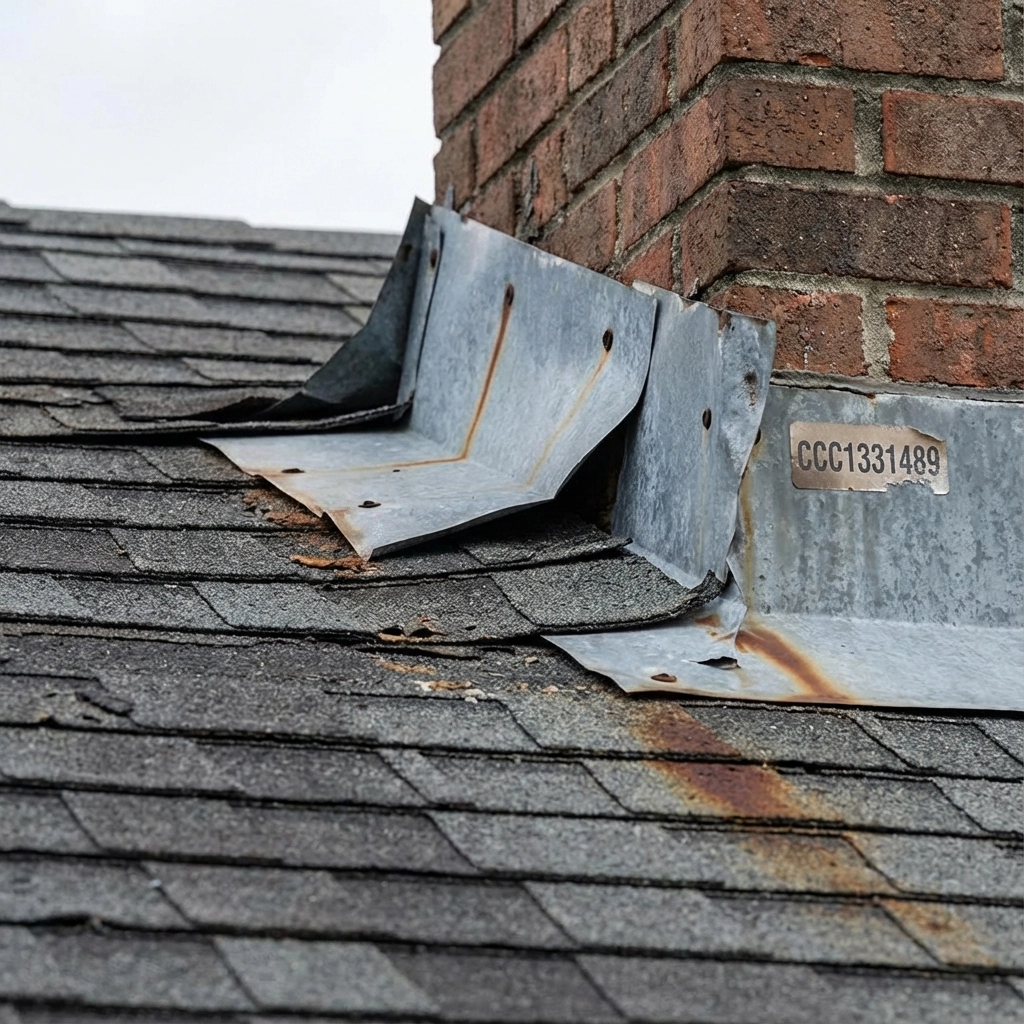
The metal flashing around chimneys, vents, and roof transitions faces enormous stress during high-wind events. Winds can lift and bend flashing, breaking the waterproof seals that keep these critical areas dry. Once flashing fails, water can pour directly into your home's interior, causing damage to walls, ceilings, and electrical systems.
Debris Impact
Wind speeds over 60 mph can turn everyday objects into projectiles. Tree branches, outdoor furniture, roof tiles from neighboring homes, and other debris can puncture or crack your roofing materials, creating instant leak points that allow water penetration during the storm.
Warning Signs of Wind Damage You Can't Ignore
After any storm with winds exceeding 60 mph, you should inspect your property for these telltale signs of damage. Some indicators are obvious, while others require a closer look.
Exterior Warning Signs
Missing or damaged shingles are the most obvious indicator, but look for more subtle signs too. Granule loss on asphalt shingles often appears as bare spots or excessive granules in your gutters. Exposed nail heads indicate that shingles have shifted or lifted. Damaged or missing flashing around chimneys, vents, and roof valleys requires immediate attention.
Check your gutters for dents, cracks, or separation from the roofline. Examine your home's siding for impact damage that might indicate debris strike patterns: if debris hit your siding, it likely hit your roof too.
Interior Warning Signs
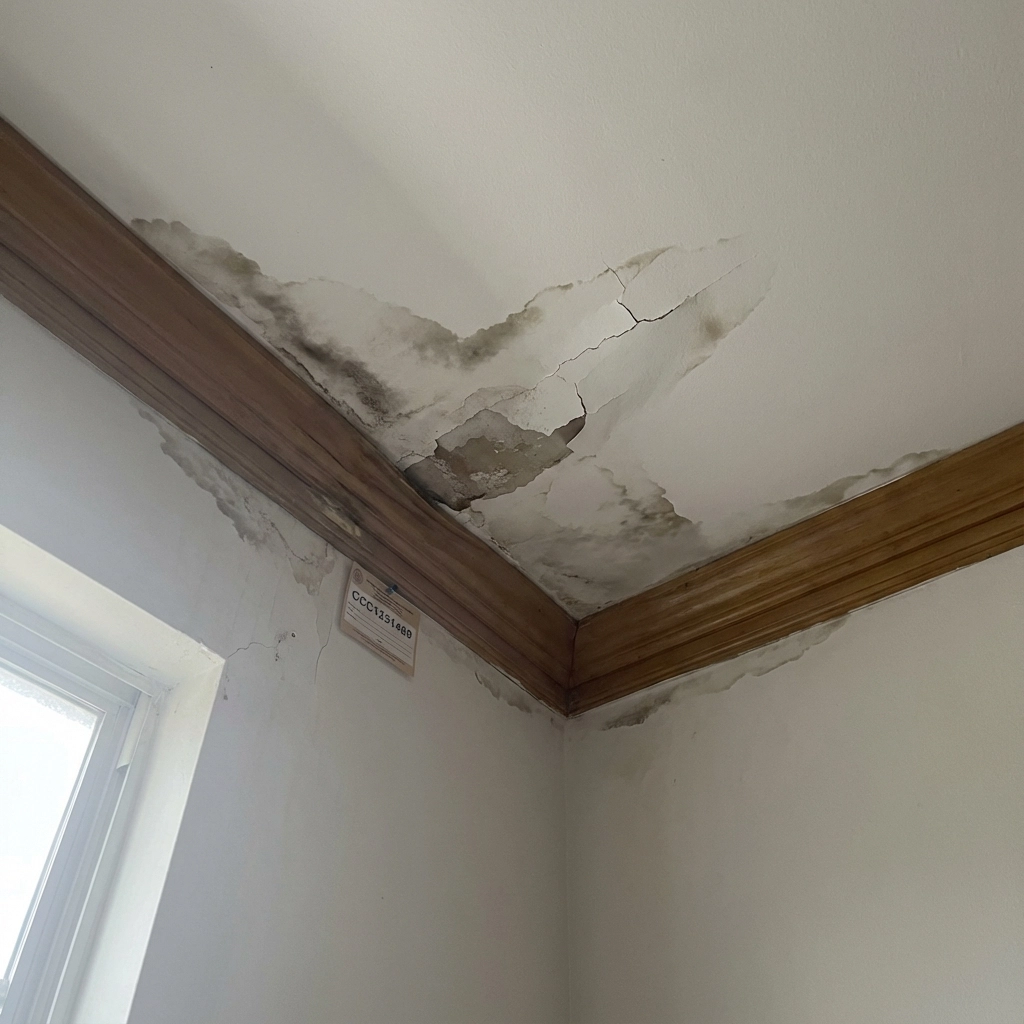
Water stains on ceilings or walls, even small ones, indicate that water has penetrated your roof system. Look for peeling paint or wallpaper, especially around ceiling corners where water typically accumulates first. Musty odors can indicate moisture infiltration that you haven't yet seen visually.
Check your attic space if accessible: look for water stains on the underside of roof decking, wet insulation, or daylight visible through the roof where it shouldn't be.
Insurance Claim Tips for Wind Damage
Filing a successful wind damage claim requires careful documentation and understanding of your policy's specific requirements. Florida's unique insurance landscape makes this process particularly important to navigate correctly.
Document Everything Immediately
Take extensive photos and videos of all damage from multiple angles before making any temporary repairs. Include wide shots that show the overall damage and close-ups that detail specific problems. If possible, photograph the damage from both inside and outside your home.
Keep receipts for any emergency repairs or temporary protective measures you take to prevent further damage. Your insurance company expects you to minimize additional damage, but they should reimburse you for reasonable emergency repairs.
Understand Your Deductibles
Florida insurance policies often have separate deductibles for named storms versus regular wind events. Hurricane deductibles typically range from 2-10% of your home's insured value, while standard wind damage might carry your regular deductible. This difference can mean thousands of dollars in out-of-pocket costs, so understand which applies to your situation.
Work with Professional Inspectors
Insurance adjusters work for the insurance company, not for you. Consider hiring a public adjuster or working with roofing professionals who understand insurance requirements. At Simpson Construction and Roofing, we provide free inspections specifically designed to identify all wind damage that qualifies for insurance coverage.
Prevention Strategies That Actually Work
The best approach to wind damage is prevention through proper materials, regular maintenance, and professional inspections. Florida's climate demands specific strategies that work in our unique environment.
Choose Wind-Resistant Materials
If you're planning a roof replacement or major repair, invest in materials specifically rated for high-wind resistance. Impact-resistant shingles can withstand debris strikes that would puncture standard materials. Metal roofing offers superior wind resistance, often rated for winds up to 140 mph when properly installed.
Architectural shingles generally perform better than standard three-tab shingles in high winds due to their weight and enhanced adhesive strips. However, installation quality matters more than material choice: even the best materials fail if improperly installed.
Regular Professional Inspections
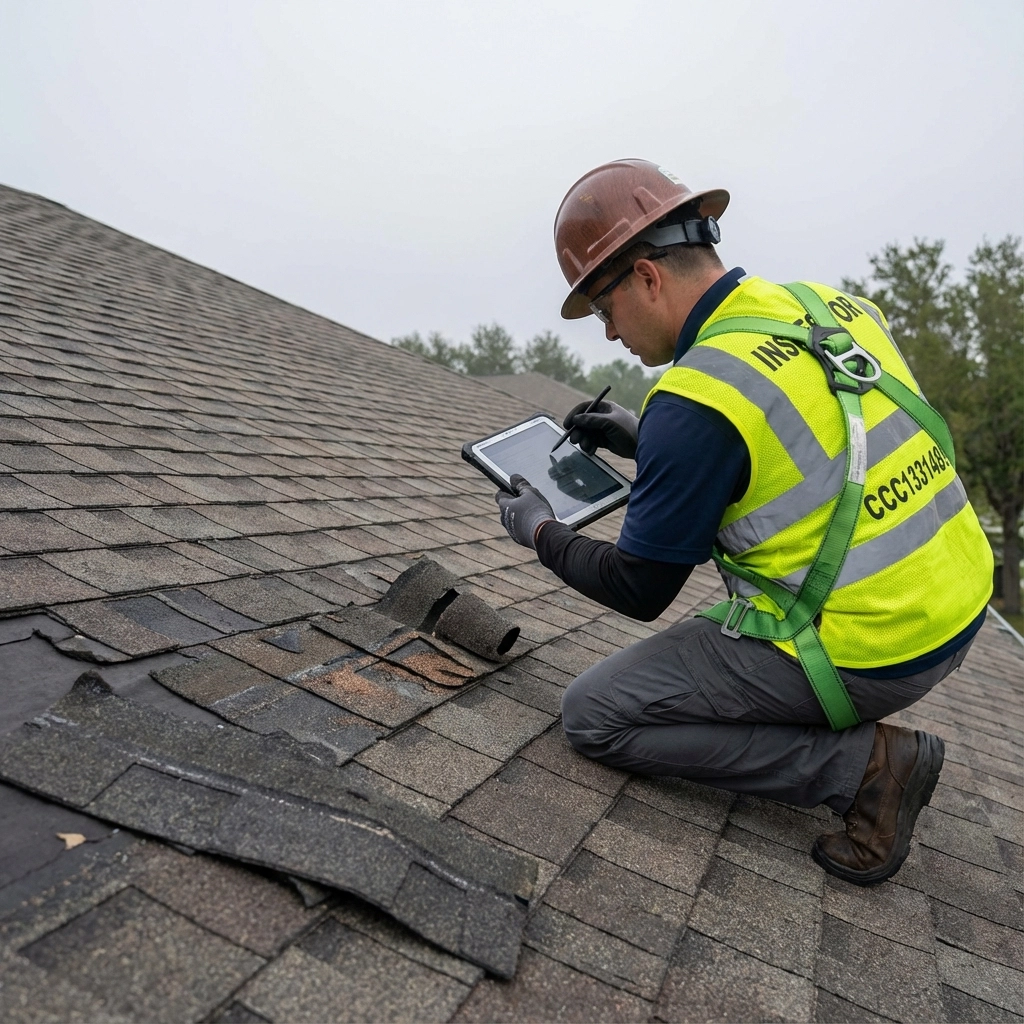
Annual roof inspections identify small problems before they become major vulnerabilities during wind events. Loose or missing nails, worn sealants, and minor flashing issues are easy to fix when discovered early but can lead to catastrophic failure during storms.
Our comprehensive inspection process examines every component that affects your roof's wind resistance, from the structural decking to the final shingle installation. We provide detailed reports that help you prioritize maintenance and plan for future upgrades.
Maintain Your Roof's Support Systems
Keep gutters clean and properly attached: overflowing gutters can add weight and create uplift points during high winds. Trim tree branches that hang over your roof, as these create both impact hazards and additional wind turbulence that increases uplift forces.
Ensure your attic has proper ventilation: improper ventilation can create pressure differences that contribute to roof failure during wind events.
Why Choose Simpson Construction and Roofing
When wind damage strikes your Florida home, you need more than just repairs: you need a roofing partner who understands our state's unique challenges and insurance requirements.
Free Comprehensive Inspections
We provide detailed, no-cost inspections that identify all wind damage qualifying for insurance coverage. Our inspectors understand exactly what insurance adjusters look for and document everything needed to support your claim. This service alone often saves homeowners thousands of dollars in uncovered damage costs.
Insurance Claim Expertise
Our team works directly with insurance companies and adjusters throughout the claims process. We provide detailed documentation, professional damage assessments, and expert testimony when needed to ensure you receive fair compensation for all covered damage.
Storm Damage Specialists
Our storm damage repair services focus specifically on wind-related damage restoration. We understand the urgency of storm repairs and maintain emergency response capabilities to protect your home immediately after wind events.
Quality Materials and Installation
We use only high-grade, wind-resistant materials designed for Florida's challenging climate. Our installation teams are trained in wind-resistant techniques that exceed standard building codes, providing superior protection for future storms.
Take Action Before the Next Storm
Don't wait for the next major wind event to discover your roof's vulnerabilities. Every day you delay could mean missing critical problems that turn minor issues into major insurance claims.
Contact Simpson Construction and Roofing today for your free comprehensive wind damage inspection. Our experts will assess your roof's current condition, identify potential vulnerabilities, and provide you with a detailed report on recommended improvements.
Whether you need emergency storm damage repairs, preventive maintenance, or a complete roof replacement with wind-resistant materials, we're here to protect your most important investment: your home.
Contact us now to schedule your free inspection. Don't let the next 60+ mph wind event catch you unprepared. Your family's safety and your financial security depend on having a roof that can withstand whatever Florida's weather throws at it.
Comments